Getting fresh brake components installed is a major step toward keeping your car safe on wet autumn asphalt. Here is why new pads can squeak briefly.
Getting fresh brake components installed is a major step toward keeping your daily driver safe on wet autumn asphalt around Hamilton. Drivers frequently return to our shop shortly after a brake service asking why they still hear a light squeak when coming to a stop. It can be frustrating to invest in new parts only to hear unexpected noise on your morning commute down the mountain or through Stoney Creek.
Understanding the bedding-in period
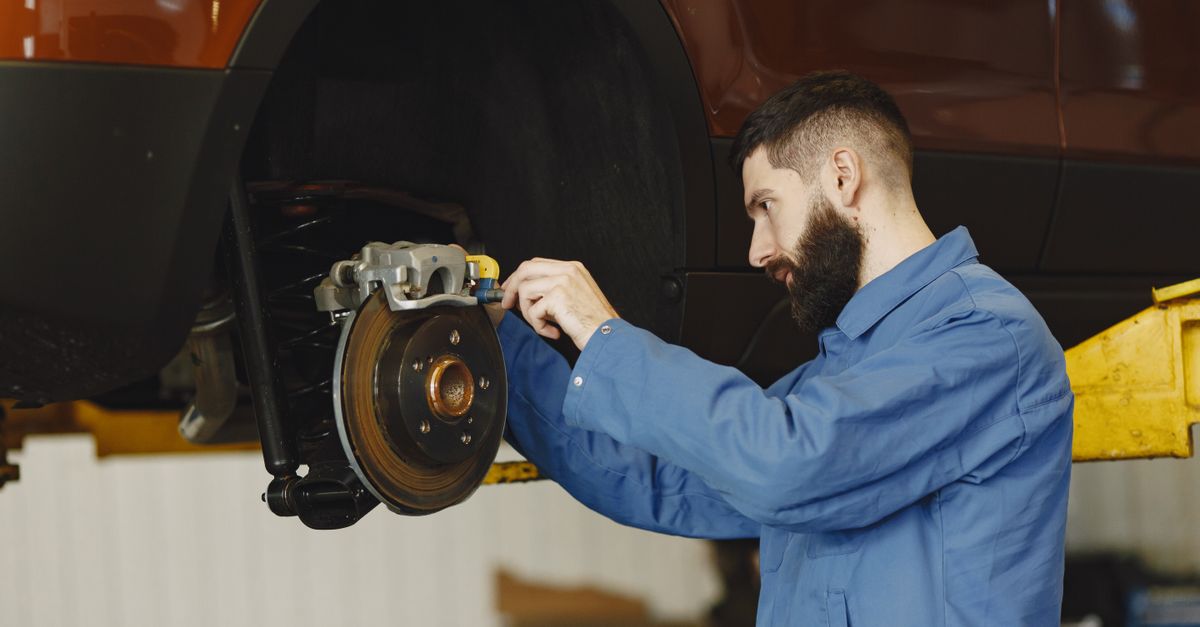
When a technician installs new brake pads and rotors, those fresh surfaces do not mate together perfectly on day one. Friction materials require a specific thermal conditioning phase, commonly known as bedding-in, to transfer an even microscopic layer of pad material onto the rotor face. During this initial phase, minor vibrations can occur as the microscopic highs and lows on the new pads wear down to match the exact contours of the steel rotors.
This process generates a temporary friction profile that sometimes creates a faint squeal under light pedal pressure. It does not automatically mean the installation was done incorrectly or that the parts are defective. In fact, most quality friction compounds need a series of moderate, controlled stops to properly seat themselves. If you experience this light noise during your normal local driving through East Hamilton, it usually settles down on its own within a short distance.
What you should and should not do
During the initial seating period, try to avoid heavy panic stops unless an emergency forces your hand. Hard, sudden stops before the friction materials have thermally conditioned can overheat the new resin and glaze the pad surface, which leads to persistent noise and reduced stopping power. Instead, perform smooth, progressive stops from moderate speeds when traffic permits, giving the brakes time to cool between applications.
If the noise changes into a harsh metal-on-metal grinding sound, or if the pedal feels soft and spongy, bring the vehicle back to the shop immediately for a physical inspection. Sometimes a small stone or debris can wedge itself between the pad and the dust shield during installation, creating a sharp metallic scrape that requires a quick adjustment.
Additional factors to watch on your vehicle
While your brakes are settling in, it is also a good time to check other routine maintenance items on your car. Catching minor issues early prevents unexpected roadside trouble as temperatures drop across Hamilton Mountain and surrounding areas. For instance, pairing your brake check with a safety inspection certificate ensures your steering, suspension, and tires are all ready for heavy rain and early morning frost.
Keeping up with simple maintenance tasks also means watching your fluid levels and checking your tread depth regularly. If your vehicle pulls to one side while stopping or driving straight, a touch-less laser wheel alignment can restore proper tracking. Combining these checks ensures your entire vehicle responds predictably when you press the brake pedal.
Frequently asked questions
How long does it take for new brake pads to stop squeaking?
Most brake bedding processes complete themselves within a short period of normal city driving, usually after a few dozen moderate stops. If the faint noise persists beyond that initial wear-in phase, stop by so we can inspect the hardware.
Can I drive safely while the new brakes are bedding in?
Yes, as long as the vehicle stops firmly and predictably without excessive pedal travel or grinding. The slight squeak is usually just surface friction while the pads seat against the rotors.
Do new tires or alignment affect brake noise?
While tire sales and a touch-less laser wheel alignment affect your handling and tire wear, they do not directly cause brake squeaks. Brake noise is strictly related to the friction materials, rotors, and caliper hardware.
If you have questions about your recent brake service or need to check your oil and filter replacement schedule, call us at (905) 543-1582 or use contact us to book an appointment at our shop on Barton Street East.
Photo: Gustavo Fring / Pexels
Want us to take a look?
We will diagnose it properly and quote you before anything gets touched.