
That morning reverse squeak in your driveway usually comes down to simple friction and overnight moisture. Find out what causes it and when to visit our shop.
That morning reverse squeak in your driveway usually comes down to simple friction and overnight moisture. When late fall temperatures drop and the air gets damp, a light layer of oxidation forms on your brake components overnight. When you back out of your driveway in Hamilton for the first time, the pads scrape that thin rust layer away, creating a brief noise before normal operation resumes.
Morning Moisture and Rotor Oxidation
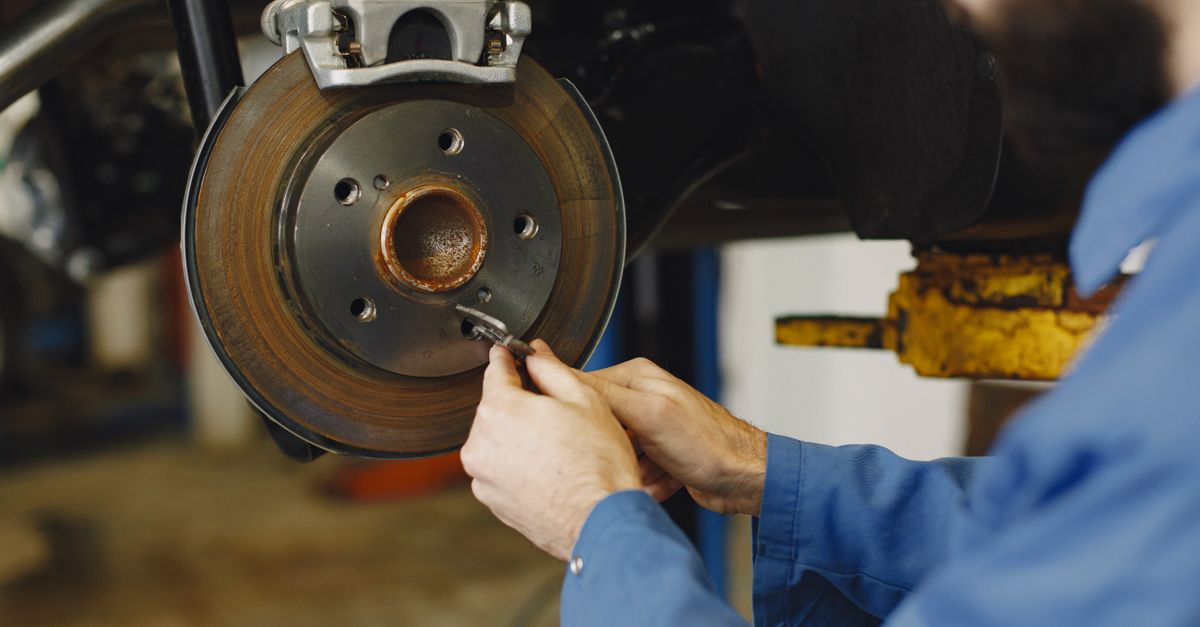
Late fall brings cold mornings and heavy condensation to East Hamilton driveways. When you park your vehicle for the evening, bare metal parts on your brake rotors are exposed to this moisture. Overnight, a microscopic layer of rust forms across the rotor surface. When you start your morning commute and shift into reverse, the brake pads grip that freshly oxidized surface. This initial contact generates a high-pitched squeak that often disappears after the first few applications of the pedal. It is a normal reaction to our local climate, but it is worth monitoring if the sound persists as you drive forward.
Beyond environmental factors, the specific angle of reversing can alter how the brake pads meet the rotor surface. Because vehicles spend most of their operational life moving forward, pad wear patterns can settle in a specific direction. When you shift into reverse, the pads make contact against the rotor spinning backwards, which can temporarily change the harmonic vibration and produce a distinct chirp. This mechanical nuance, combined with morning humidity, explains why your brakes might sing only when backing out of a tight parking spot.
When Squeaking Signals Worn Brake Pads
While morning condensation causes temporary noise, a persistent squeak can indicate that your brake pads are wearing thin. Pads feature built-in wear indicators designed to emit a high-pitched warning when friction material gets low. If your brakes squeak during every reverse maneuver and continue making noise throughout your drive down the Hamilton Mountain, your pads likely need attention. Ignoring this sound can lead to metal-on-metal contact, which damages your rotors and increases stopping distances. Keeping an eye on how long the noise lasts helps you catch wear early before minor maintenance turns into a larger repair bill.
Driving habits around Stoney Creek also influence how quickly your pads wear down. Frequent stop-and-go traffic creates extra friction, heating up the rotors and pads repeatedly. Over months of daily commuting, this heat cycle can cause minor glazing on the pad surface. When glazed pads meet overnight moisture, the resulting squeak is often louder and sharper than standard oxidation noise. Checking your hardware regularly ensures your vehicle remains safe and predictable on every trip.
How Our Technicians Diagnose Brake Noises
When you bring a noisy vehicle to our shop on Barton Street East, we do not guess at the cause. Our technicians inspect the entire friction assembly, checking pad thickness, rotor condition, and caliper movement. If your components still have healthy life left, we will tell you straight without any unnecessary upselling. We also examine your wider stopping system, ensuring everything works smoothly alongside other services like Brake service and Oil and filter replacement. If we find that your setup needs replacement parts, we use quality components designed for dependable stopping power in local traffic.
Our team also looks closely at your wheel alignment and tires during inspections to ensure uneven forces are not accelerating wear on one side of the car. Alongside our Wheel alignment centre and Tire sales, we provide comprehensive checkups including Safety inspection certificate options. Catching small issues early prevents roadside surprises when winter weather fully takes hold across the region.
Frequently asked questions
Why does the squeaking stop after driving a short distance?
The noise usually stops because the friction of the brake pads against the rotor scrubs away the overnight moisture and surface oxidation. Once the metal is clean and warmed up, the vibration causing the sound goes away.
Should I worry if my brakes only squeak in reverse?
An occasional morning squeak in reverse is usually harmless environmental noise caused by humidity. However, if the sound happens every time you back up or turns into a grinding noise, you should have a professional check your pad wear.
Can weather changes affect how my brakes sound?
Rapid temperature drops and high humidity levels in late autumn accelerate the formation of surface rust on brake rotors. This makes morning noises much more common during this time of year compared to dry summer months.
If your brakes are making unusual noises during your morning routine, drop by the shop or check our Current offers to see what is available. You can also contact us to book an appointment or give us a call at (905) 543-1582 to talk with our team.
Photo: Gustavo Fring / Pexels
Want us to take a look?
We will diagnose it properly and quote you before anything gets touched.