Getting ready for a vehicle registration transfer in Hamilton means booking a mandatory check. Here is a straight look at what technicians examine.
Getting a vehicle ready for a registration transfer or registering a newly bought car means booking a mandatory check. Knowing the checklist steps helps drivers in Hamilton, East Hamilton, and Stoney Creek understand how a licensed technician evaluates their vehicle. We believe in straight talk, so we will walk through the core components examined during this evaluation.
Brakes, Steering, and Suspension Checks
The inspection begins with the mechanical components that keep your car controllable on the road. Technicians thoroughly examine your braking system, measuring pad thickness, rotor condition, and checking for fluid leaks along the lines. If your brakes need attention, we can assist with Brake service.
Steering and suspension components receive equal attention during the process. We inspect ball joints, tie rods, and shocks for excessive play or wear. A tight steering setup is crucial, especially when paired with a precise Wheel alignment centre visit using our Touch-less laser wheel alignment to ensure your vehicle tracks straight on local roads.
Tires, Wheels, and Structural Integrity
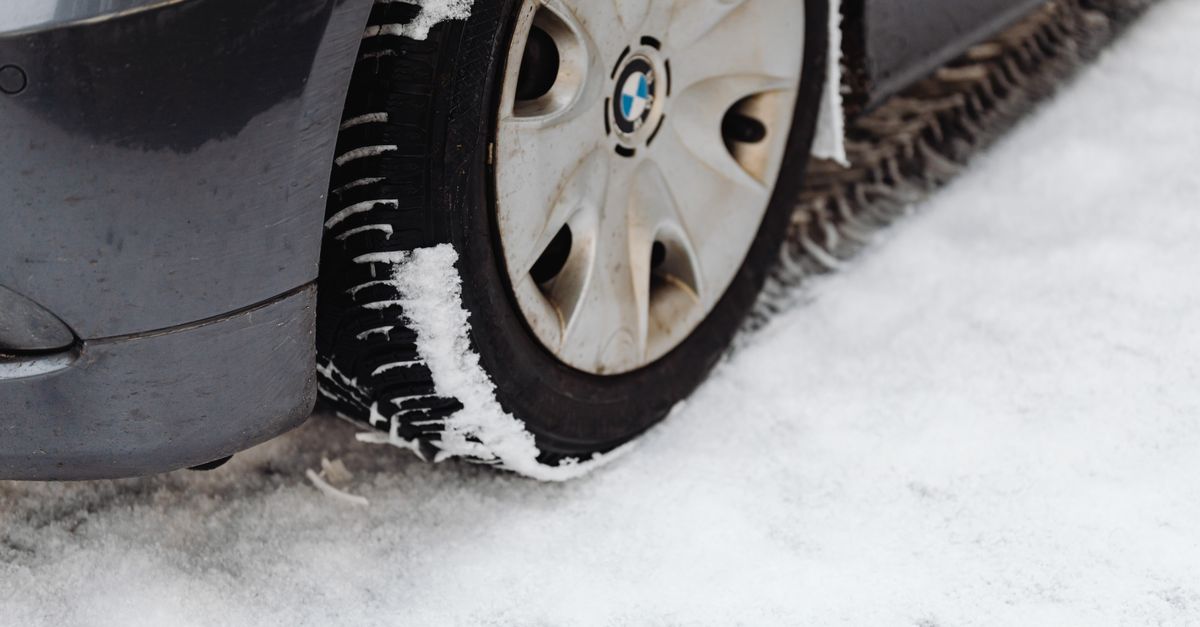
Your tires connect your vehicle to the asphalt, and their condition is a major factor in passing. Technicians measure tread depth and check for uneven wear patterns or sidewall damage. If your vehicle requires a fresh set, we offer Tire sales featuring both new and used tires to suit your driving needs.
Beyond the rubber, the vehicle frame and body components are checked for excessive rust or structural damage that could compromise occupant safety. Windshields, wipers, seatbelts, and all exterior and interior lights are tested to confirm they function correctly. Any cracked glass or inoperable signals must be addressed before approval.
Engine Operation, Lights, and Exhaust
Power train components, fuel systems, and exhaust systems are checked for leaks, secure mounts, and proper operation. This ensures your vehicle runs cleanly and safely without unexpected failures on the highway. Fluid levels and battery security are also verified during this stage.
All exterior lighting, including headlights, brake lights, reverse lights, and turn signals, must illuminate properly. Horn operation, mirror condition, and door latch security are tested as well. Every part of the vehicle is reviewed against official guidelines to ensure full compliance.
The Final Road Test
Every official evaluation concludes with a physical road test. The technician drives the vehicle to verify that the transmission shifts properly, the steering centers correctly, and the brakes bring the car to a stop smoothly without pulling or vibrating.
During the drive, the technician also listens for unusual wheel noises and tests the speedometer function. If everything operates as intended and meets provincial standards, we issue your official certificate.
Frequently asked questions
What do I need to get a safety certificate?
To obtain a Safety inspection certificate, your vehicle must pass all government-mandated checks for brakes, steering, suspension, tires, and structural integrity performed through our Licensed Ontario safety inspections.
Are Uber vehicles checked differently?
Yes, rideshare vehicles must meet specific provincial and municipal standards. We also perform Uber vehicle safety inspections to keep rideshare drivers compliant on Hamilton Mountain and surrounding areas.
How long is the certificate valid?
An Ontario safety certificate is valid for a set number of days from the date of issue, giving you time to complete your vehicle registration at ServiceOntario.
Ready to book your check or need advice on your vehicle? Give us a call at (905) 543-1582 or visit contact us to schedule your appointment today.
Want us to take a look?
We will diagnose it properly and quote you before anything gets touched.