When November temperatures drop across Hamilton, your tire pressure drops too. Learn the science behind it and how to keep your vehicle safe.
As late autumn settles across Hamilton, East Hamilton, Stoney Creek, and the Hamilton Mountain, local drivers often notice their dashboard tire pressure warning lights glowing on chilly mornings. This drop is not usually caused by a sudden puncture, but rather by the basic science of cold weather. Understanding how dropping temperatures affect your vehicle helps you avoid unexpected flat tires and uneven tread wear during your daily commute.
The Science of Cold Weather Pressure Loss
Air inside a tire is made up of gas molecules that move around rapidly when warm. As the outdoor temperature drops, these molecules slow down and pack closer together, which reduces the overall pressure inside the rubber cavity. You typically lose a specific amount of pounds per square inch for every significant temperature plunge. Because all four tires experience the same ambient air cooling, the loss often happens uniformly across the entire set.
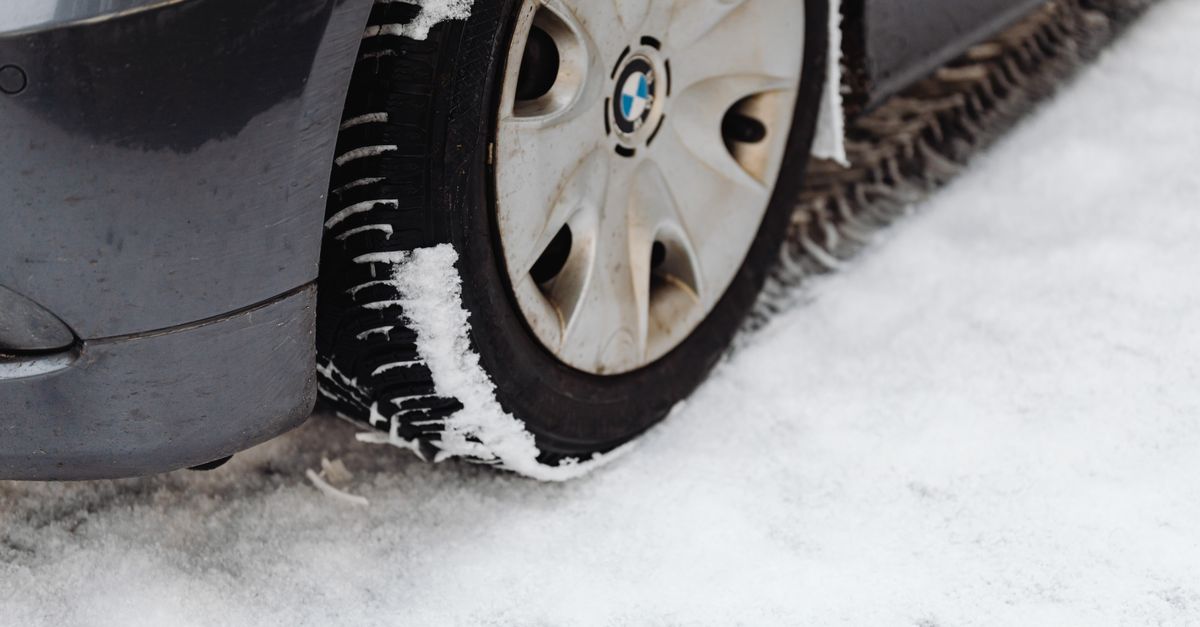
When you drive in Stoney Creek or head down the Hamilton Mountain on a freezing November morning, low tire pressure makes the rubber flex more than it should. This extra flexing generates internal heat, increases fuel consumption, and accelerates tread wear on the outer edges. Checking your pressures manually with a reliable gauge before heading out on Barton Street is the best way to catch these drops early.
Checking Tread Depth and Air Levels
Monitoring your tire health involves more than just keeping the air filled to the manufacturer specification found on your driver door jamb sticker. You also need to look closely at the remaining tread depth, especially with winter weather approaching our area. Worn treads combined with under-inflated rubber significantly reduce your stopping grip on wet or icy roads.
- Use a manual pressure gauge when the tires are completely cold, preferably before driving in the morning.
- Inspect the sidewalls for any cracks, bulges, or embedded debris picked up from rough roads.
- Examine the tread blocks across the full width of the tire to ensure the wear pattern remains even.
If your tread is running low or you spot uneven wear, it might be time to look into our Tire sales for reliable new and used tires suited for Ontario driving conditions. Proper alignment also plays a huge role here, and our shop utilizes a touch-less laser wheel alignment system to keep your steering tracking straight.
Frequently asked questions
Why does my tire pressure warning light come on when it gets cold?
The warning light illuminates because falling outdoor temperatures cause the air molecules inside your tires to contract, reducing the overall pressure. Once the morning sun warms up the pavement or you add air, the light usually turns off.
Should I add more air to my tires in November?
You should add air whenever your pressure drops below the vehicle manufacturer recommendation. Do not guess the numbers; always check the placard inside the driver door frame for the correct PSI.
How often should I check my tire pressure during winter?
It is best to check your tire pressure every couple of weeks during the winter season, or whenever there is a dramatic swing in outdoor temperatures across the local area.
If your dashboard light refuses to go out or you need help getting your vehicle ready for the cold season, drop by our shop or contact us to schedule a visit. Give us a call at (905) 543-1582 and our straightforward team will get your tires properly inflated and checked over.
Photo: https://kaboompics.com/ / Pexels
Want us to take a look?
We will diagnose it properly and quote you before anything gets touched.
