
Discover how loose steering and suspension components can throw off your vehicle alignment and why precision checks matter on Hamilton roads.
Autumn driving in Ontario brings plenty of hidden surprises beneath heavy rain and fallen leaves on local asphalt. If your vehicle feels loose over bumps or drifts toward the shoulder, you might blame the road surface alone. However, worn suspension components often play a major role in altering your steering geometry and throwing off your tracking.
How Suspension Wear Alters Steering Geometry
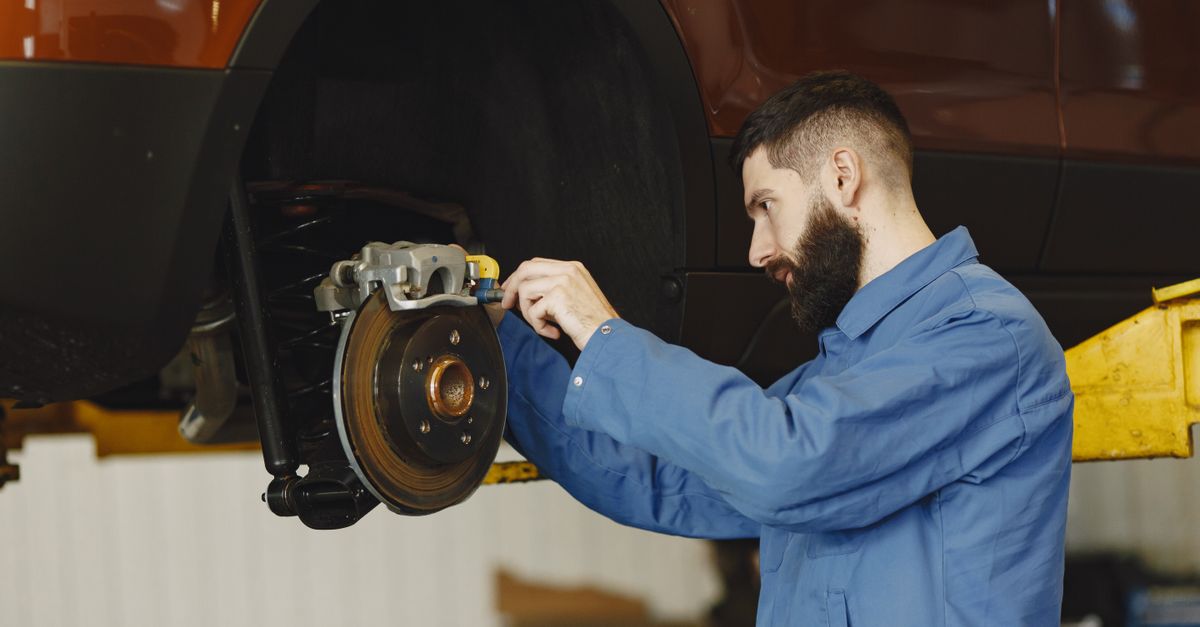
Your vehicle relies on a network of bushings, ball joints, and tie rods to keep the wheels pointed in the correct direction. When these parts age, rubber bushings soften and metal joints develop play. Even a millimeter of slack in a control arm bushing allows the wheel to shift under load, changing your steering angles while you drive.
Road shocks from daily commutes across the city accelerate this wear, especially on rough patches. When joints lose their firmness, your steering wheel may stay slightly off centre, or your tires may scrub unevenly against the pavement. No matter how many adjustments a technician makes, new alignment numbers will not hold if the underlying hardware has too much movement.
The Precision of Laser Alignment Technology
Once you replace loose steering parts, getting the angles back into factory specification is the next step. Our shop uses a touch-less laser wheel alignment system to measure your vehicle's tracking angles with exact precision. Traditional methods can be slow and prone to human error, but laser equipment reads the exact position of each wheel relative to the chassis.
Correcting your toe, camber, and caster prevents premature tread wear and keeps your car tracking straight down the highway. Pairing new suspension hardware with a proper alignment also improves fuel economy and reduces driver fatigue on long trips. For drivers heading out for new and used tires, ensuring the suspension is tight protects your new investment from scrubbing away before its time.
Preparing Your Vehicle for Seasonal Driving
Fall brings colder morning temperatures and slick roads, making a solid grip more important than ever. Cold rubber behaves differently, and worn suspension parts only amplify poor handling when traction drops in heavy rain. Checking your steering components during routine maintenance helps you catch loose parts before they ruin a fresh set of tread.
Drivers preparing for seasonal shifts or needing a Licensed Ontario safety inspections should pay close attention to how their car handles over bumps. A quick mechanical inspection identifies any play in the steering linkage before it causes severe tire wear. Whether you drive through East Hamilton, Stoney Creek, or up the mountain, keeping your chassis tight makes every trip safer.
Frequently asked questions
Can a wheel alignment fix a pulling steering wheel by itself?
An alignment corrects your wheel angles, but if a suspension joint or tie rod is loose, the wheel will pull again almost immediately. Worn hardware must be replaced before setting correct angles.
How do I know if my tie rods are worn out?
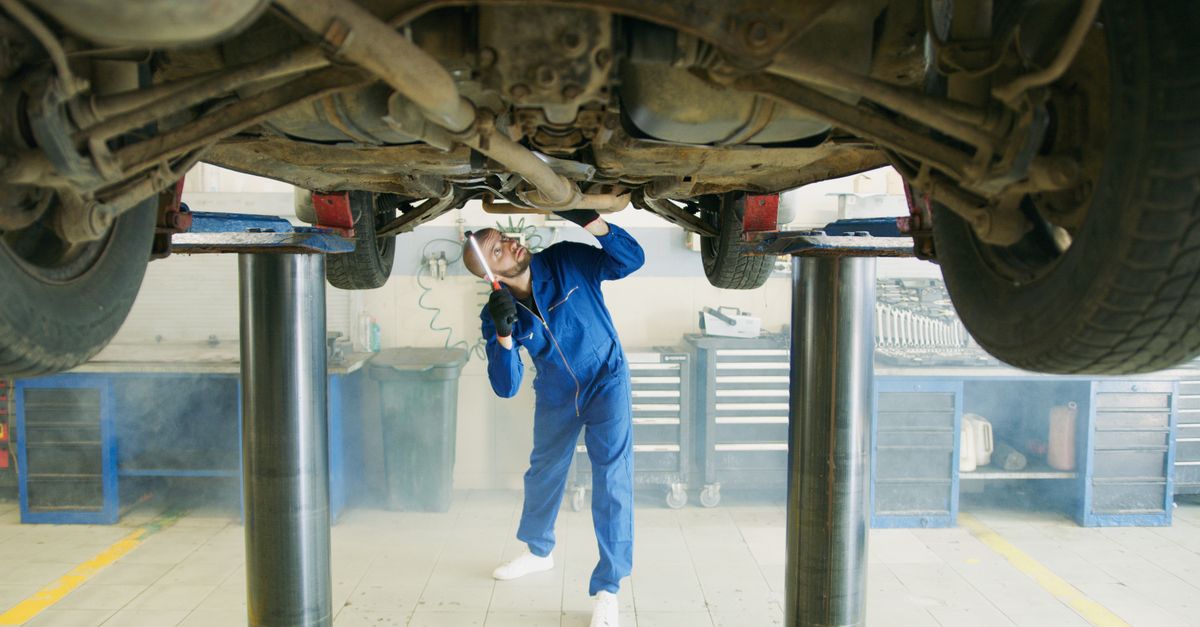
You might notice excessive steering play, a loose feeling in the wheel, or uneven edge wear on your front tires. A physical inspection on a hoist is the best way to check for play.
Do I need an alignment after replacing suspension parts?
Yes, replacing parts like control arms, struts, or tie rods alters your steering geometry. A precise check ensures your tires make flat contact with the road.
If your car feels loose over bumps or pulls to one side, stop by our shop at 1610 Barton St E or contact us to schedule a check. Give us a call at (905) 543-1582 and we will give you an honest assessment of your suspension and alignment needs.
Photo: Jose Ricardo Barraza Morachis / Pexels
Want us to take a look?
We will diagnose it properly and quote you before anything gets touched.