

A soft brake pedal on cold autumn drives points to hydraulic issues or moisture in the lines. Learn what causes it and how our shop can help.
Noticing your brake pedal sinking lower than usual during a chilly morning drive can catch you off guard. When stopping requires extra effort on your commute through East Hamilton, it is time to look closely at your braking hydraulics before winter weather arrives.
Hydraulic Pressure and Cold Weather Dynamics
Your vehicle relies on a closed hydraulic system to translate the pressure from your foot into stopping force at each wheel. Brake fluid moves through steel lines and rubber hoses every time you press the pedal down. When temperatures drop in late autumn, rubber seals and lines can contract, sometimes exposing tiny vulnerabilities in the system. If air enters these lines, it compresses easily compared to fluid, resulting in that unsettling spongy feeling beneath your boot.
Another common culprit behind a soft pedal is moisture contamination within the brake fluid itself. Brake fluid is hygroscopic, meaning it naturally absorbs water over time from the surrounding air. When moisture builds up, it lowers the overall effectiveness of the fluid and can lead to internal corrosion. On cold mornings, that trapped moisture can affect hydraulic efficiency across the Hamilton Mountain and surrounding neighbourhoods. Regular maintenance ensures your fluid remains clean, dry, and capable of generating the firm pressure needed for safe stops.
Inspecting Pads, Rotors, and Hydraulic Lines
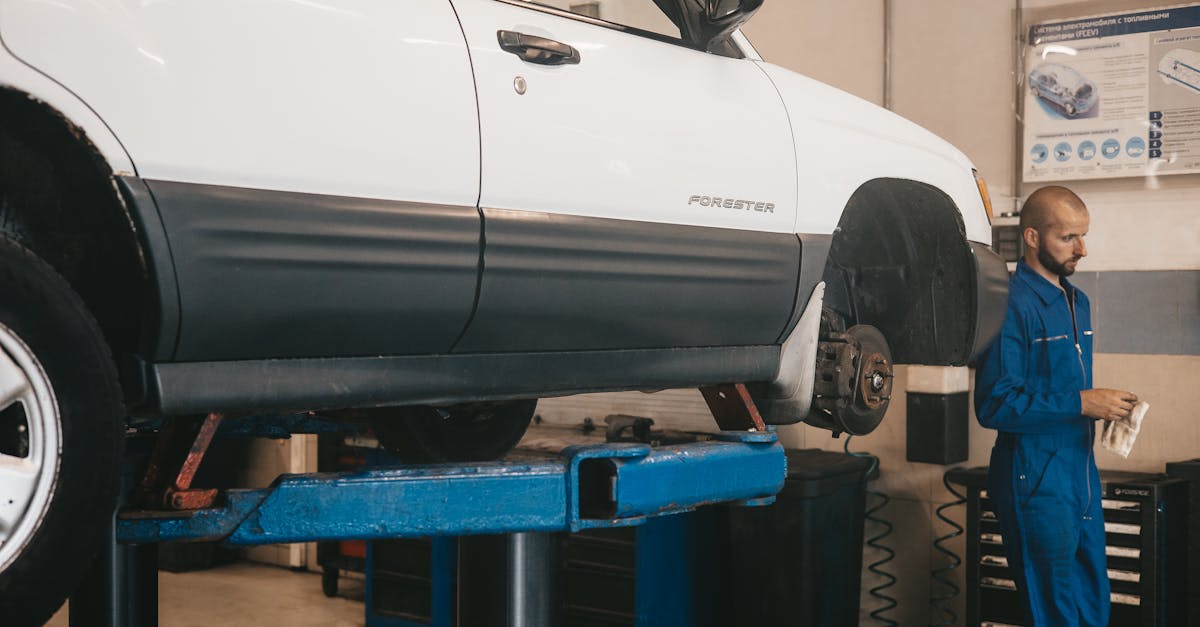
A soft pedal is just one symptom; the entire braking assembly works as a team to slow your vehicle safely. Worn brake pads or unevenly worn rotors can alter the travel distance of the caliper pistons, which occasionally translates into a lower pedal feel. During our professional brake service, we check every component from the master cylinder down to the wheel calipers to find the exact root cause. We will tell you straight if a part still has life left or if replacement is genuinely necessary for your safety on the road.
Sometimes drivers mistake a soft pedal for low fluid caused by a minor leak in a line or fitting. Catching these leaks early prevents a complete loss of hydraulic pressure when you need to stop suddenly on wet or slushy pavement. Combining your brake check with other essential tasks like oil and filter replacement keeps your vehicle reliable for the colder months ahead.
Preparing Your Vehicle for Winter Driving
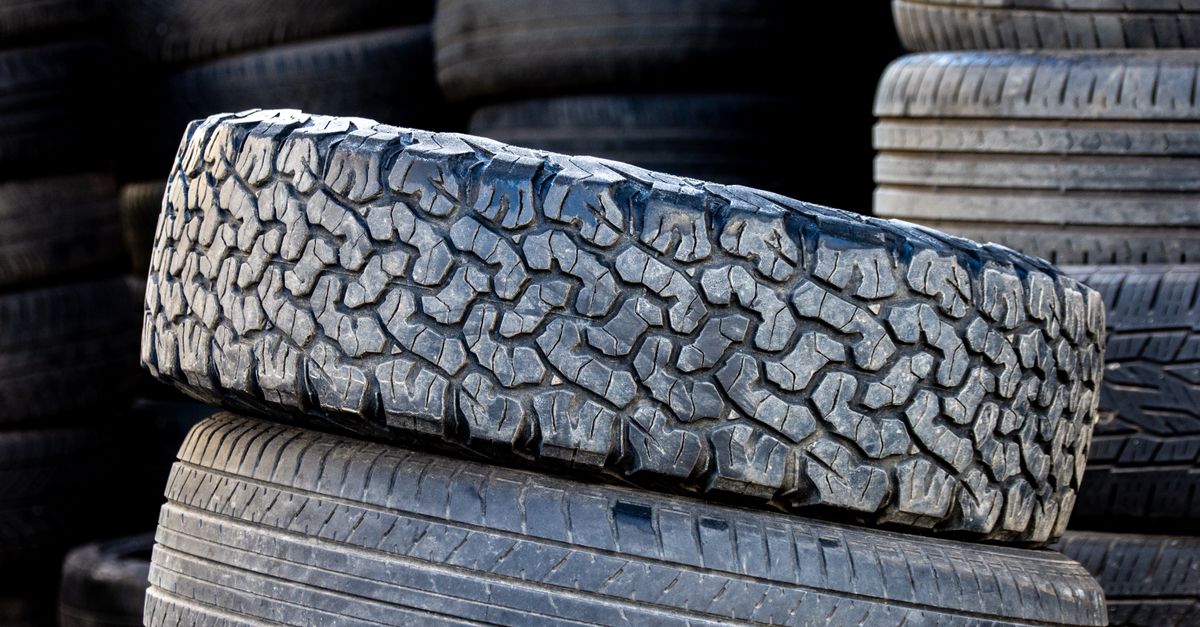
Transitioning into winter requires more than just swapping your setup for new and used tires. Your braking system faces heavier demands as roads get slick with rain, sleet, or early snow flurries. Ensuring your brakes, tires, and wheel alignment centre visits are up to date helps your car track straight and stop predictably.
If you are preparing a rideshare vehicle for the season, remember that a licensed Ontario safety inspection covers all critical stopping mechanisms. Keeping up with routine checks ensures you never second-guess your stopping power when traffic slows down unexpectedly.
Frequently asked questions
Why does my brake pedal feel softer on cold mornings?
Cold temperatures cause metal and rubber components to contract, which can highlight existing tiny leaks or moisture issues in your hydraulic brake lines.
Can old brake fluid cause a spongy pedal?
Yes, brake fluid absorbs moisture over time, which lowers its effectiveness and creates a compressible, spongy sensation when you press the pedal.
How often should brakes be inspected?
It is wise to have your braking system checked during seasonal tire changes or whenever you notice changes in pedal feel or stopping distance.
For honest advice and reliable mechanical work, call us at (905) 543-1582 or contact us to book your appointment today.
Photo: cottonbro studio / Pexels
Want us to take a look?
We will diagnose it properly and quote you before anything gets touched.