
Catching worn brake pads early saves you money and keeps your car safe on Hamilton roads before metal-on-metal grinding starts.
November cold snaps and damp morning commutes around Hamilton put extra demands on your vehicle stopping power. Waiting until your brakes make a harsh grinding sound usually means the friction material is completely gone, which can damage your rotors. Knowing how to spot worn brake pads early helps you plan repairs before they turn into expensive emergencies.
Watching for Subtle Brake Pedal and Steering Changes
Your vehicle often gives you physical hints long before any warning lights illuminate on the dashboard or loud noises echo through the cabin. Pay attention to how the pedal feels beneath your foot during your daily drive down the mountain or through East Hamilton.
- Soft or spongy pedal feel when pressing down at a red light.
- Slight vibration or pulsation pulsing through the steering wheel when slowing down from highway speeds.
- The vehicle pulling slightly to one side while applying the brakes.
These physical changes usually point to uneven pad wear or thinning friction material. If you notice any of these symptoms during your autumn drives, it is a good idea to schedule a professional brake service to check the health of your entire system.
Checking Pad Thickness Through Your Wheel Spokes
You do not always need to take your car apart to check the condition of your brakes. Many modern alloy wheels on vehicles driven around Stoney Creek and Hamilton have wide enough openings to let you look straight at the brake caliper.
- Park your car on a flat surface and turn off the engine.
- Shine a bright flashlight through the gaps in your wheel spokes.
- Locate the metal brake rotor and the brake caliper clamped around it.
- Look for the friction material sandwiched between the metal backing plate and the rotor surface.
If that friction material looks thinner than a pencil eraser, your pads are nearing the end of their service life. Our neighbourhood shop believes in telling drivers straight when a part still has life left or when it truly needs replacement.
Understanding Minor Warning Indicators
Many brake pads feature built-in mechanical indicators designed to alert drivers before total failure occurs. These small metal tabs are engineered to create a high-pitched squeal when the friction material wears down to a specific minimum thickness.
Why That Faint Squeal Matters
That light chirping sound you hear when pulling out of your driveway on a cold morning is often an intentional design feature, not just trapped moisture. Ignoring that early auditory warning allows the pads to wear down completely until the steel backing plate grinds directly against the cast iron rotor. Catching wear at this stage keeps your repair bills lower and protects your braking components.
Other Maintenance Needs Alongside Brakes
While you are addressing your stopping power for winter, it is also a smart time to check other critical components. Cold weather drops tyre pressure quickly, so inspecting your tread depth or looking into tire sales keeps you safe on slick roads. Regular maintenance like an oil and filter replacement also prepares your engine for freezing morning temperatures.
Frequently asked questions
How long do brake pads typically last in city driving?
Brake pad lifespan varies widely based on driving habits, traffic conditions, and vehicle weight. Stop-and-go commuting through local streets wears pads down faster than long highway trips.
Can I replace just the brake pads without changing the rotors?
Many times, pads can be replaced if the rotors are still thick and smooth. Our technicians measure your rotor thickness and condition to determine the safest approach.
Do I need an appointment for a brake check?
Appointments help us get your car in and out efficiently, though you can easily reach out to our team to find a time that fits your schedule.
To get an honest assessment of your stopping system or to book a visit, contact us online today or call our shop directly at (905) 543-1582.
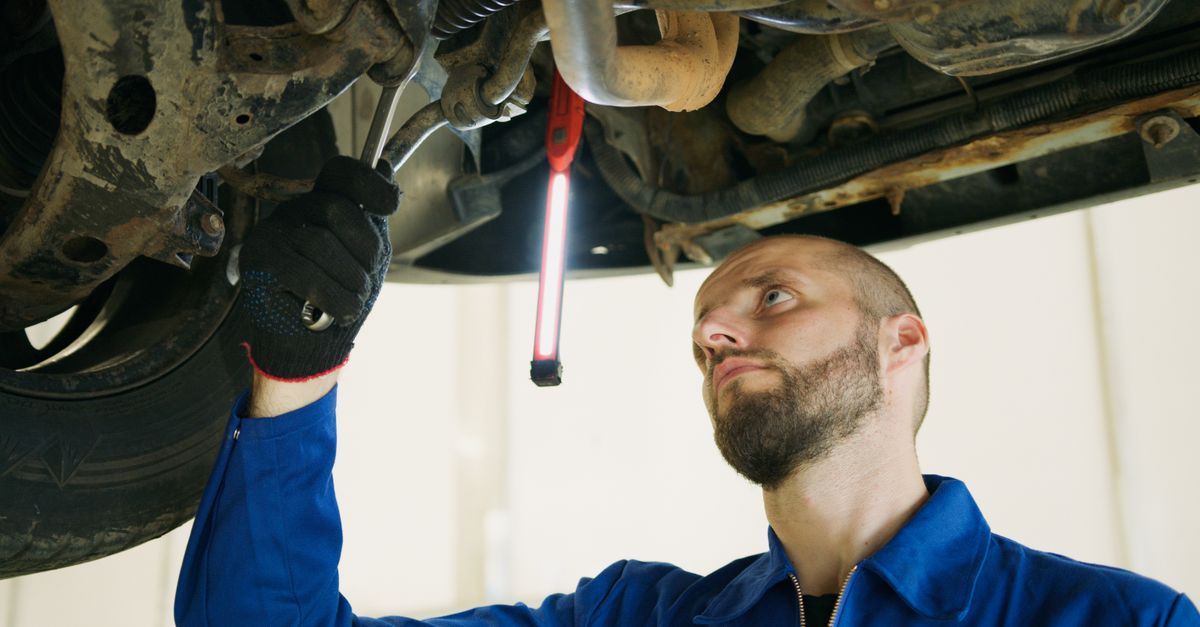
Photo: Gustavo Fring / Pexels
Want us to take a look?
We will diagnose it properly and quote you before anything gets touched.