
November moisture in Hamilton often leads to surface rust on brake rotors. Learn how to identify when this is a minor issue and when it impacts your stopping.
As the temperature drops and November brings more moisture to Hamilton, you might notice a thin layer of orange rust forming on your brake rotors overnight. This is a common sight for drivers across East Hamilton and the Hamilton Mountain. In most cases, this light surface corrosion is merely a reaction to the humid air or overnight frost and will disappear after your first few stops of the day. However, it is helpful to understand the difference between normal surface oxidation and rust that indicates your braking system needs professional attention.
Understanding Rotor Oxidation
When your vehicle sits for a few hours, especially in damp conditions, the iron in your brake rotors reacts with oxygen and moisture. This creates a fine layer of iron oxide. When you pull out of your driveway in Stoney Creek or Hamilton, the friction from your brake pads against the rotor surface effectively cleans off this rust. You may hear a soft rubbing sound for the first few metres of your commute, which is the pad removing the oxidation. Once the rust is cleared, your brakes should feel and sound normal. If you are ever unsure about the condition of your hardware, our Brake service can help clarify if your rotors have enough material left to operate safely.
When Rust Becomes a Hazard
Surface rust is expected, but deep, pitted corrosion is a different story. If your vehicle has been parked for a long time, or if you do not drive frequently, that thin layer can turn into deep rust. This creates an uneven surface on the rotor. When your pads press against a pitted rotor, they cannot make full contact. This reduces the friction surface area, which can increase your stopping distance. You might feel a vibration through the pedal or hear a grinding noise that does not go away after driving for several kilometres. If the rust has reached the point where it creates deep grooves, your brakes may not perform as intended during an emergency stop.
November Maintenance Tips
November is a prime time to ensure your vehicle is ready for the upcoming winter. Beyond checking your rotors, ensure your tires are in good condition. We provide Tire sales if your tread is getting low, as grip is just as important as stopping power when the first snow falls. It is also a good idea to ensure your alignment is correct to prevent uneven wear on your braking components. We utilize Wheel alignment centre technology to keep your vehicle tracking straight. If you are worried about the overall condition of your vehicle, you can always book a Safety inspection certificate to get a professional look at your entire braking and suspension system.
More on this: Wheel alignment centre.
Frequently asked questions
Can I remove brake rotor rust myself?
Minor surface rust typically clears away on its own through normal city driving. Avoid using chemicals or sprays on your rotors, as these can contaminate the brake pads and reduce their effectiveness.
How do I know if my rotors are too rusty?
If you hear a persistent grinding noise, feel a pulsing sensation in the brake pedal, or notice a significant increase in the distance required to stop, your rotors may be compromised. Bring your vehicle in so we can inspect the thickness and surface condition of your rotors.
If you have concerns about how your car is stopping or if you notice unusual noises during your daily commute, we are here to help. You can call us at (905) 543-1582 or contact us to schedule a time to have your brakes checked.
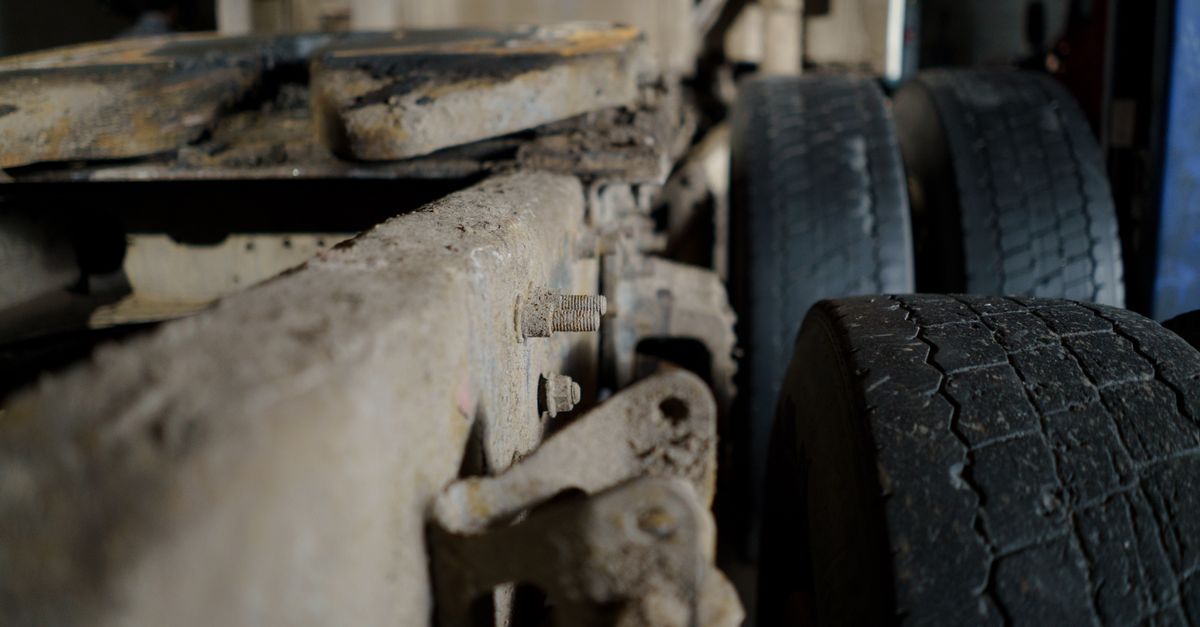
Photo: Engin Akyurt / Pexels
Want us to take a look?
We will diagnose it properly and quote you before anything gets touched.